

Electric Heating Cutter Pen for Foam Polystyrene Board Hole Digging and Endotherm Cutting, Plastic Handle Soldering Iron Tool for Foam and Pearl Cotton with 5 cm, 10cm, 15 cm, 20cm, 25cm Size Options
Blue / US / 10CM
£23.68
Sale price
£23.68
Regular price
Skip to product information

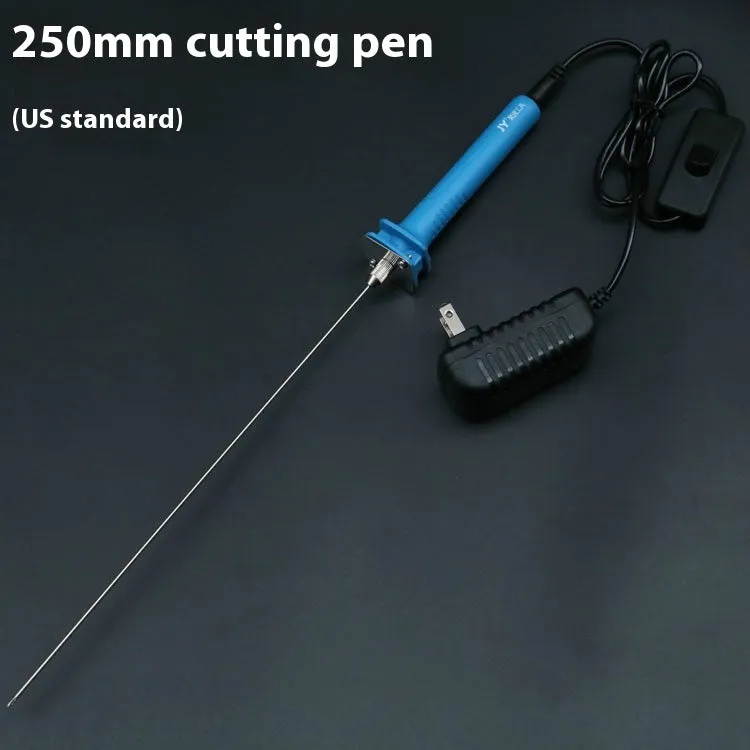 This electric heating cutter pen is designed for hobbyists, crafters, and professionals who work with foam materials like polystyrene boards and pearl cotton. Unlike traditional knives that can tear or create dust, the heated tip of this pen melts through the material, resulting in clean, precise cuts and holes. It is explicitly suited for these materials and cannot be used for cutting sponge. The tool's simplicity is a key advantage; it comes with a power adapter, so you can start using it immediately without batteries. With five different shaft lengths available, you can select the tool that best matches the depth and precision required for your specific project, from detailed model-making to larger packaging tasks.
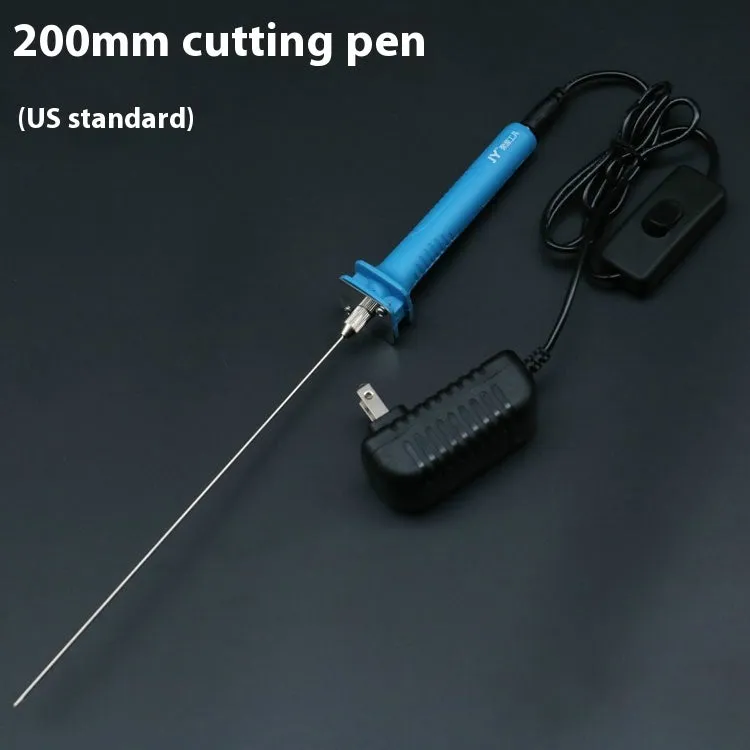 The construction of this cutter pen focuses on delivering controlled heat for material cutting. Its design is straightforward, prioritising function for its intended use on foam and pearl cotton.
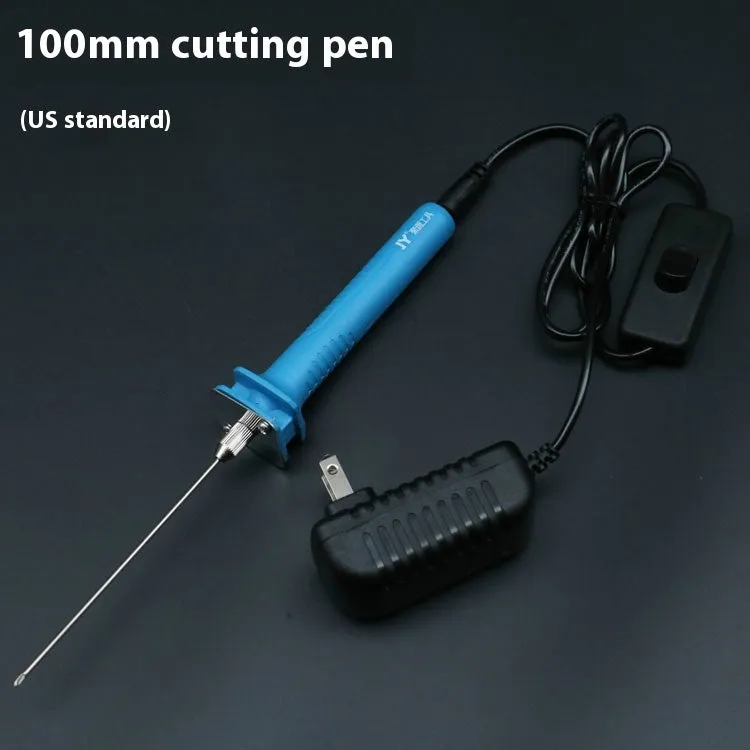 The primary application for this tool is cutting and shaping specific lightweight materials. Its use cases naturally divide between more organised craft or professional settings and everyday hobbyist work.
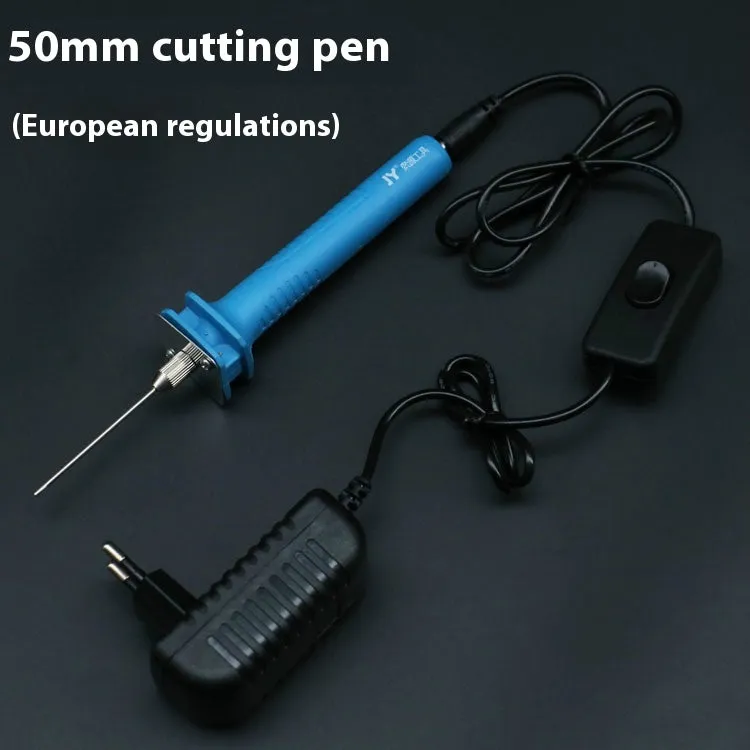 The value of this tool lies in its specialised function and the practical advantages it offers over alternative cutting methods for its supported materials.
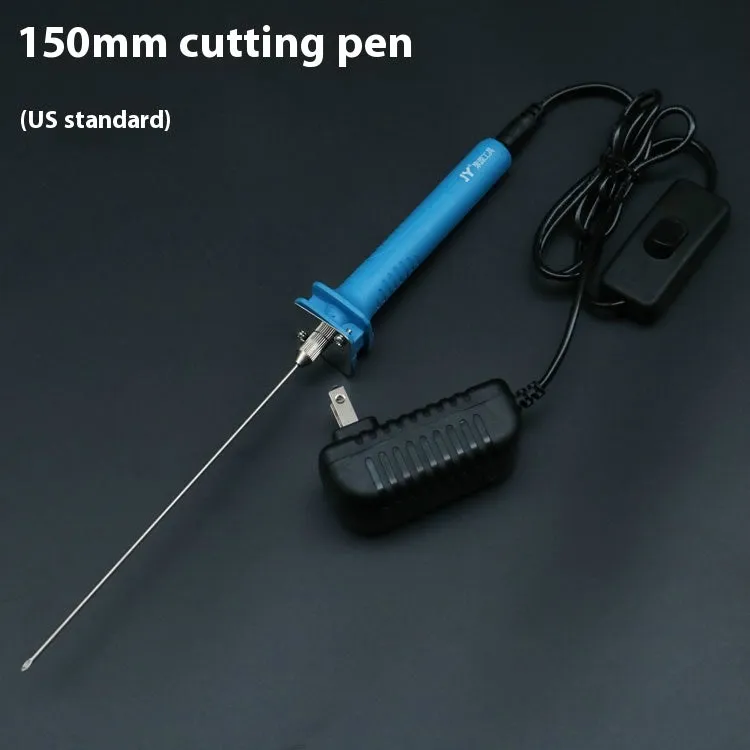
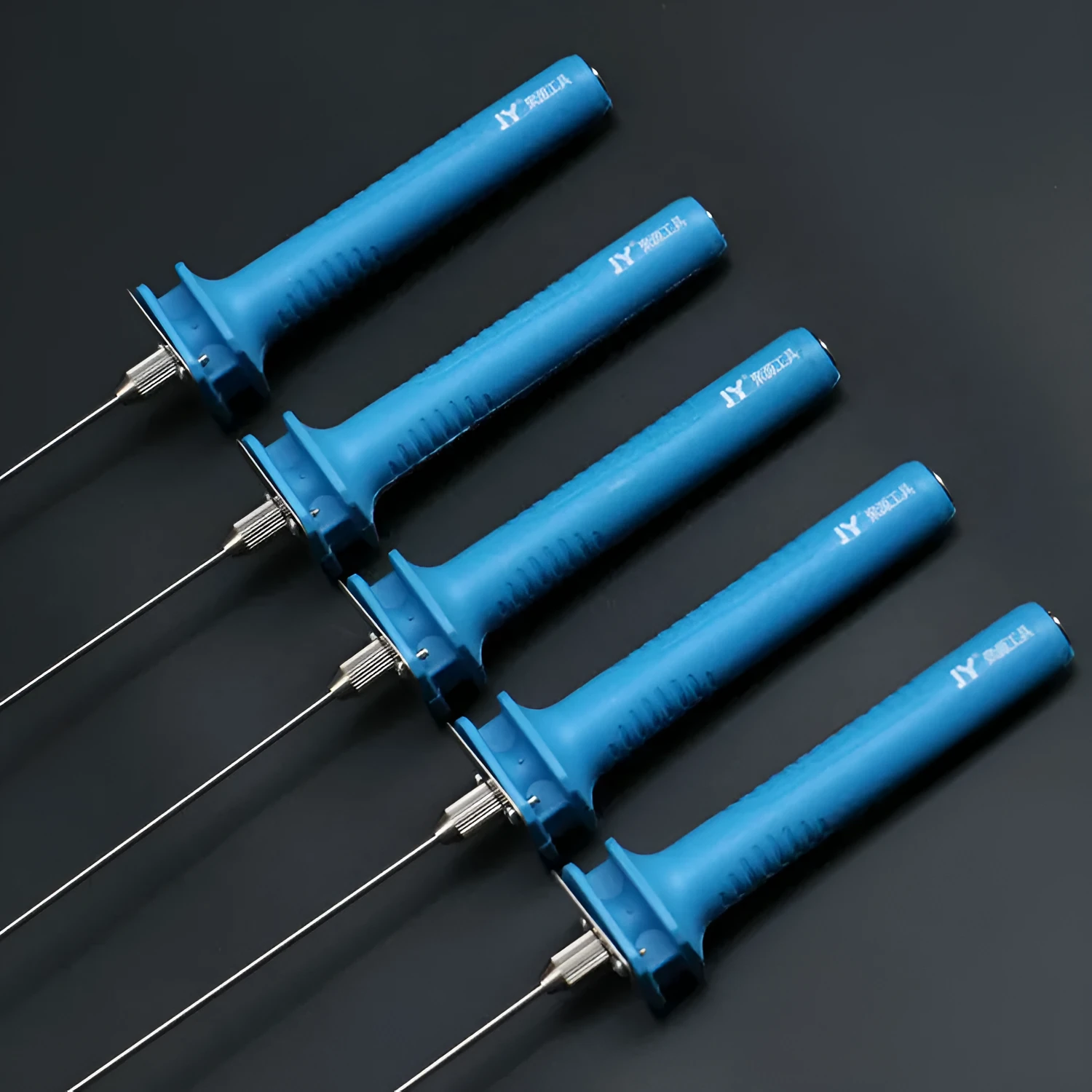
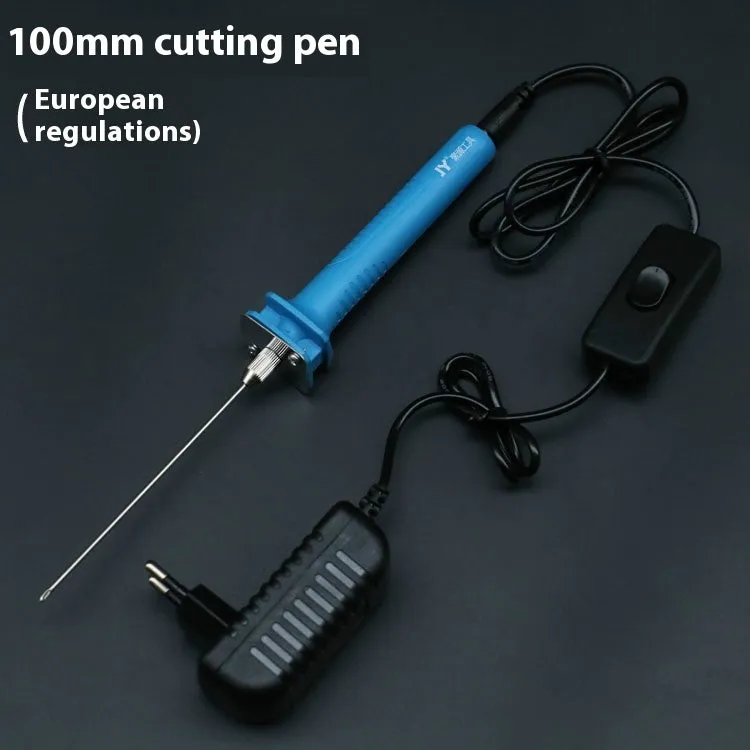
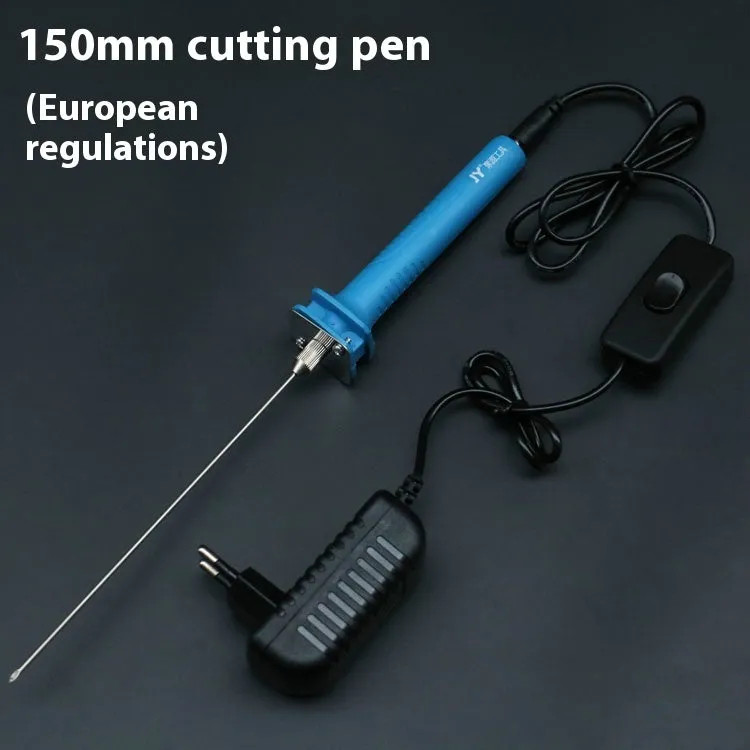
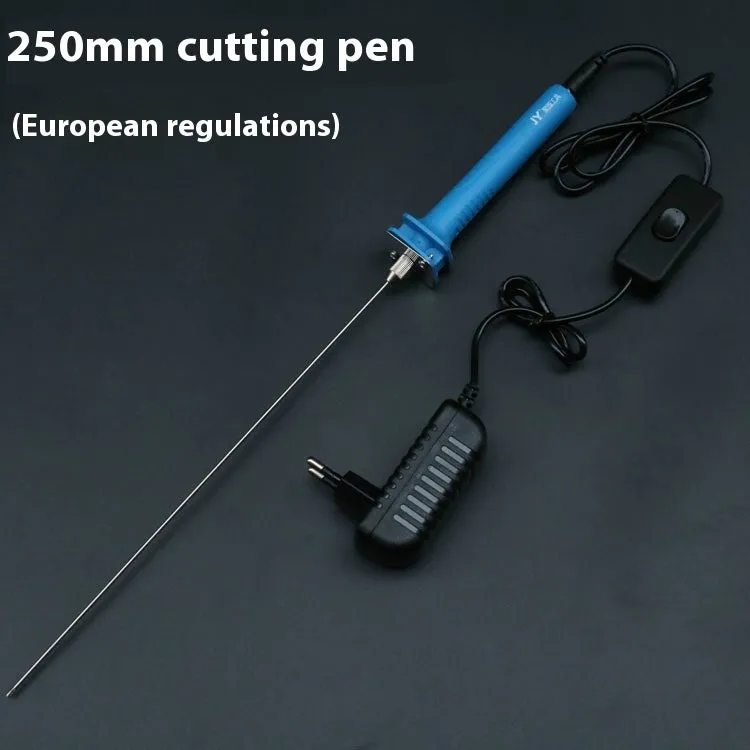
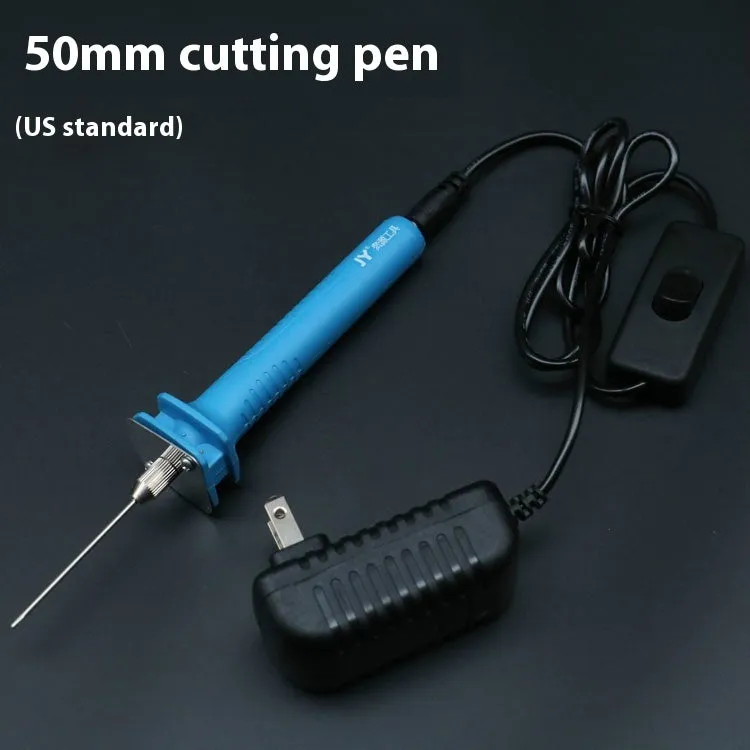
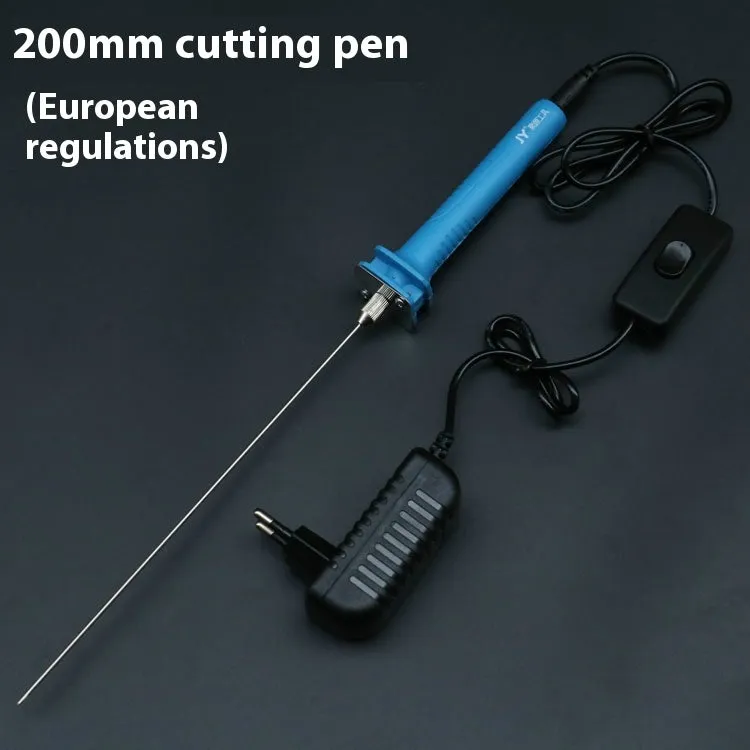


Electric Heating Cutter Pen for Foam Polystyrene Board Hole Digging and Endotherm Cutting, Plastic Handle Soldering Iron Tool for Foam and Pearl Cotton with 5 cm, 10cm, 15 cm, 20cm, 25cm Size Options
£23.68
Sale price
£23.68
Regular price
Electric Heating Cutter Pen: A Tool for Precise Foam and Pearl Cotton Cutting
Features and Construction
Material and Build
The tool features a plastic handle, which serves the dual purpose of providing a secure, insulated grip for the user and housing the electrical components. The cutting action is provided by an electric soldering iron element housed within a metal shaft, which heats up to melt through the target materials. This build is specific to its function, avoiding unnecessary complexity.Size and Practical Fit
A central feature is the choice of shaft lengths. You can select from 5 cm, 10 cm, 15 cm, 20 cm, or 25 cm options. The shorter 5 cm or 10 cm pens offer high control for detailed, intricate work on thinner materials or surfaces. The longer 15 cm, 20 cm, and 25 cm options provide greater reach and are better suited for cutting deeper into blocks of foam or for projects where you need to keep your hand further from the work surface.Uses and Placement
Event or Professional Use
In professional or event settings, this cutter can be used for creating custom packaging inserts from pearl cotton or carving polystyrene blocks for displays, stage props, or exhibition stands. The ability to make bending cuts is particularly useful for creating curved letters, decorative elements, or smooth contours that would be difficult to achieve with a blade, helping to achieve a polished, finished look for client projects.Everyday Home Use
For the home crafter or model-maker, this pen is a practical tool for DIY projects. It is ideal for building architectural models from foam board, creating custom inserts for storage or gift boxes, or crafting cosplay elements from polystyrene. The clean, melted edge reduces post-cutting cleanup, and the direct power connection means it is always ready to use without worrying about battery charge.Benefits and Buying Value
Reuse and Low Maintenance
As an electric tool with a simple design, it is built for repeated use. There are no blades to sharpen or replace; maintenance primarily involves ensuring the tip is kept clean from melted material residue. The included adapter means it draws power directly from the mains, so you don't have ongoing costs for batteries, making it a cost-effective solution for frequent users.Why Choose This Product
You would choose this electric heating cutter pen if you regularly work with foam polystyrene or pearl cotton and need a cleaner, more controlled cutting method than a knife. The key differentiator is the range of shaft lengths, allowing you to match the tool precisely to your project's needs, whether for fine detail or deeper cuts. Its clear specification—stating it cannot cut sponge—helps set accurate expectations, ensuring it is used correctly for the best results.