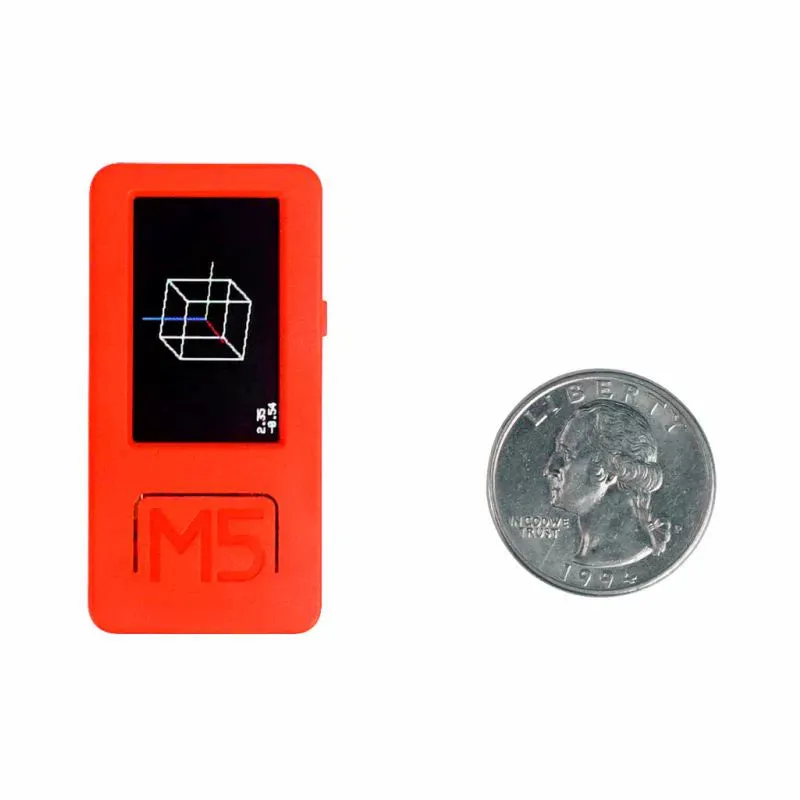
Official IoT Development Board with Graphical Programming Suite featuring 1.14-inch Colour TFT LCD Screen, Type-C Interface, and PC Enclosure - Single Unit Educational Electronics Kit


Official IoT Development Board with Graphical Programming Suite featuring 1.14-inch Colour TFT LCD Screen, Type-C Interface, and PC Enclosure - Single Unit Educational Electronics Kit
Official IoT Development Board with 1.14-inch Colour Screen and Graphical Programming Suite
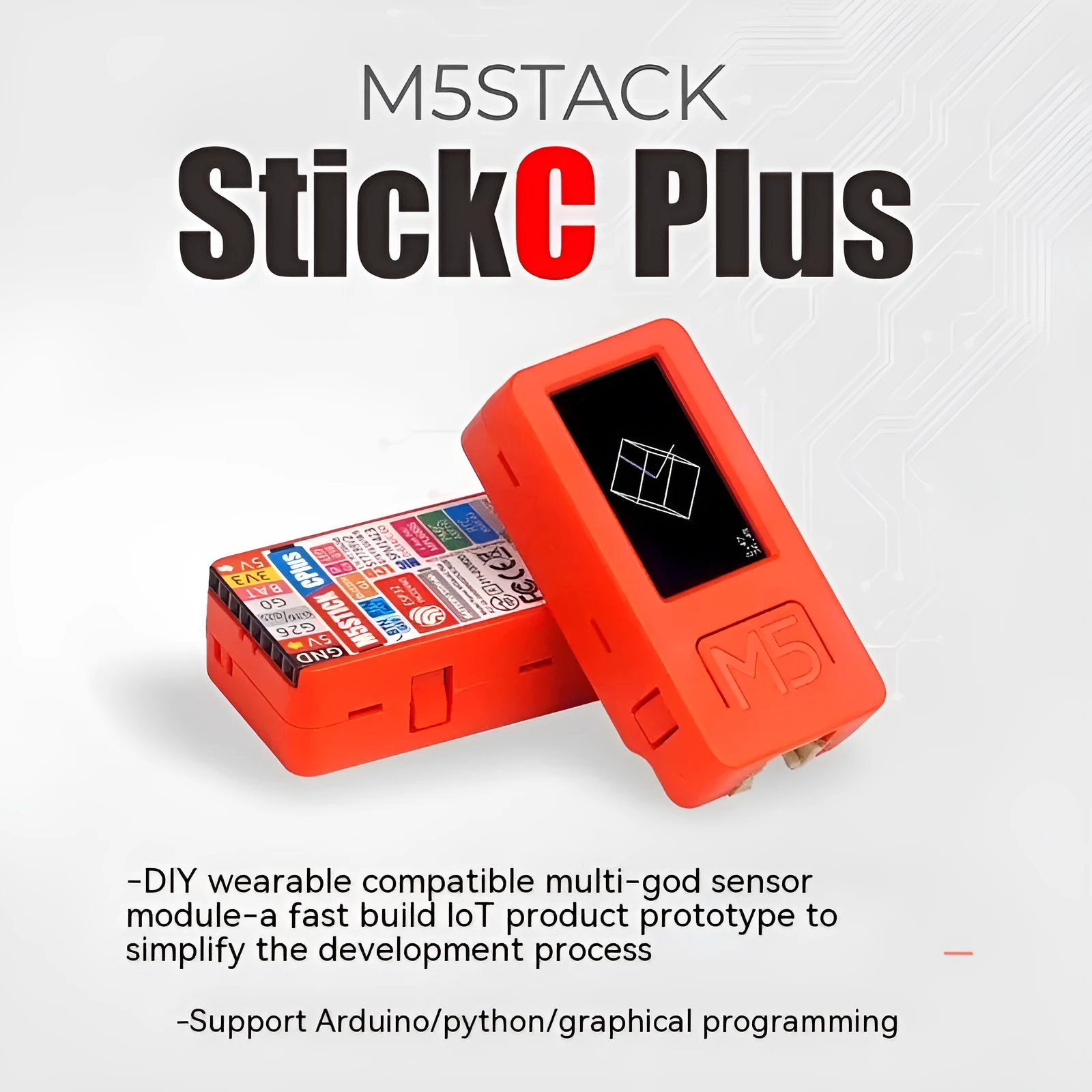
This official IoT development board presents a self-contained platform for learning electronics and programming through a graphical interface. Supplied as a single unit, it integrates several core components useful for educational projects and prototyping, including a colour display, audio input, and programmable controls. The board operates on 5V power delivered via a modern Type-C connection and features a combined expansion port for adding external sensors. Its construction uses a PC material enclosure, and it comes with dedicated software for graphical programming, making it suitable for beginners entering the field of IoT development without requiring separate display modules or complex wiring for basic functions.
Features and Construction
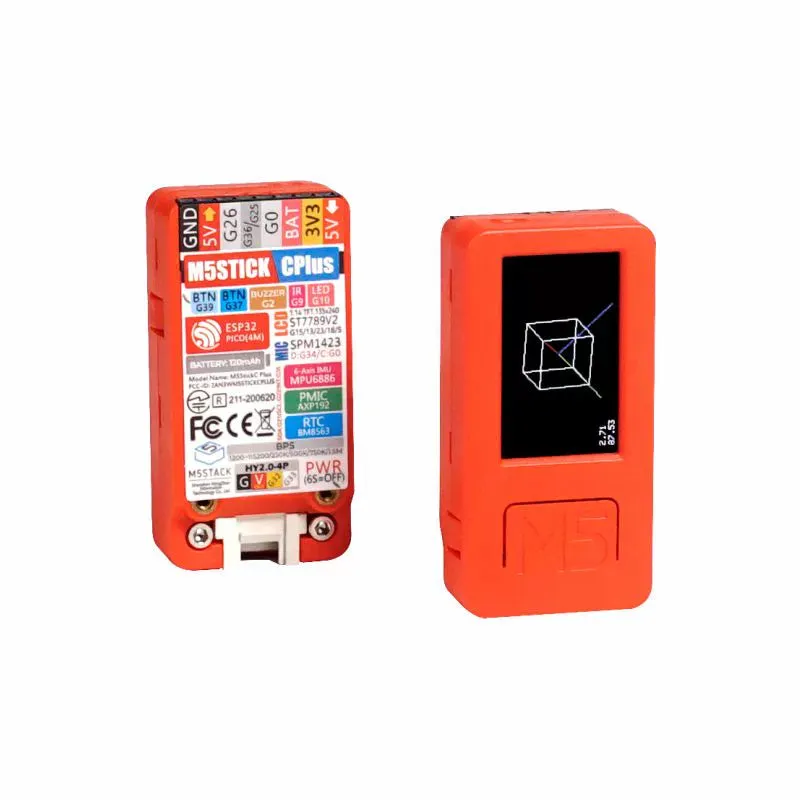
The board's design focuses on providing key embedded features in one package to simplify initial project setup. It combines visual output, user input, audio sensing, and system management components on a single PCB within a PC enclosure.
Material and Build
The board's structural housing is made from PC (Polycarbonate), a material chosen for its rigidity and enclosure properties. This forms the outer case that protects the internal electronics. The construction includes the main PCB that hosts all the integrated components, interfaces, and the display module. The use of a single GROVE port consolidates multiple communication protocols (I2C, general I/O, and UART) into one physical connector, reducing the need for multiple separate headers and simplifying external module attachment.
Size and Practical Fit
The product is supplied as a single, complete unit containing the development board. While exact physical dimensions for the board are not specified, its integrated 1.14-inch screen defines a minimum footprint for the display area. The board's design incorporates its interfaces—the Type-C port and GROVE connector—alongside its buttons and LED into a layout intended for hands-on experimentation. Its form factor is suited for desktop use, prototype enclosures, or mounting in project cases, providing all core functions without requiring separate display or input modules.
Uses and Placement
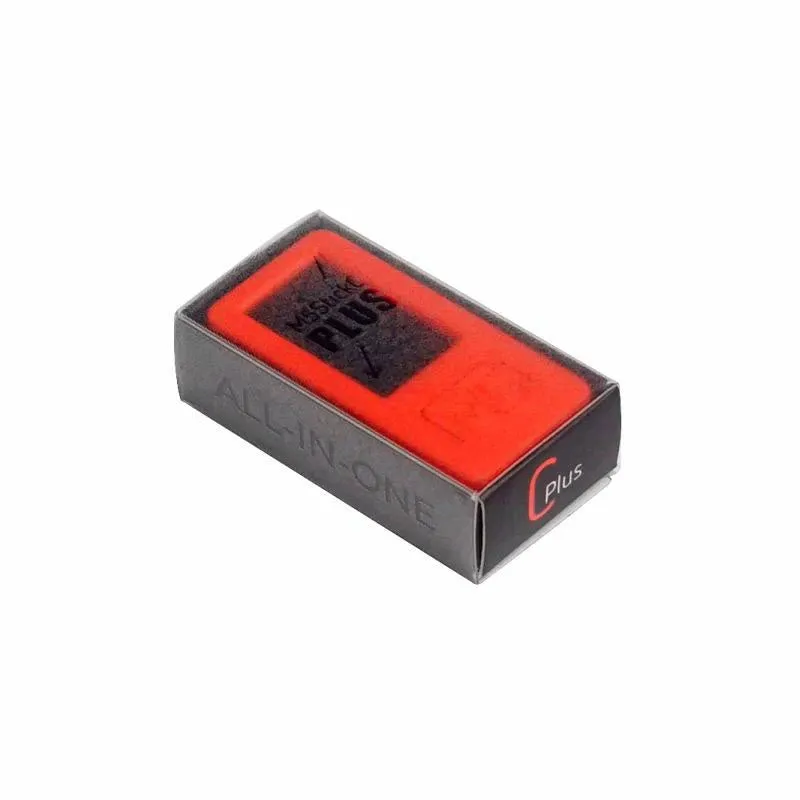
This development board is aimed at educational and prototyping scenarios where visual feedback and sensor integration are beneficial. Its included graphical programming suite lowers the barrier to entry for programming the hardware.
Event or Professional Use
In workshop or classroom settings, the board serves as a standardised platform for teaching IoT concepts, graphical programming logic, and hardware interfacing. The integrated colour screen allows instructors to demonstrate visual outputs like data graphs, status indicators, or simple animations without additional hardware. The presence of a microphone enables projects involving sound detection, volume measurement, or basic audio processing. Its single-unit packaging makes it straightforward to distribute to individual learners or team participants for hands-on activities.
Everyday Home Use
For hobbyists or students learning at home, the board offers a self-contained starting point for personal electronics projects. The graphical programming environment can be used to create custom interfaces on the built-in screen, control the LED and buttons, and read from the microphone or connected GROVE sensors. Potential applications include environmental monitors with visual displays, interactive gadgets, or simple data loggers. The Type-C power input allows it to be powered from common USB adapters or power banks, facilitating portable or temporary setups.
Benefits and Buying Value

The value of this product lies in its integration of multiple components into one ready-to-use board, paired with accessible programming software. It reduces the need to source and wire separate modules for basic functionality.
Reuse and Low Maintenance
The board is designed as a reusable platform for multiple projects. Users can rewrite and upload new programs via the graphical suite to repurpose the hardware for different applications. The PC enclosure and consolidated port layout contribute to physical durability during repeated handling. Maintenance mainly involves software updates to the programming suite and ensuring the 5V power supply is within the specified 500mA limit to protect the board's electronics.
Why Choose This Product
This development board is selected for scenarios requiring an integrated colour display and sensor inputs without separate module assembly. Its key differentiator is the inclusion of a 1.14-inch TFT screen and microphone on the board itself, which is not always present on basic microcontroller boards. The provided graphical programming suite offers an alternative to text-based coding for initial learning. The single GROVE port, while limiting expansion to one connector at a time, simplifies connections by supporting multiple protocol types. For learners focused on visual feedback and audio projects, this integrated approach saves time and reduces initial complexity.