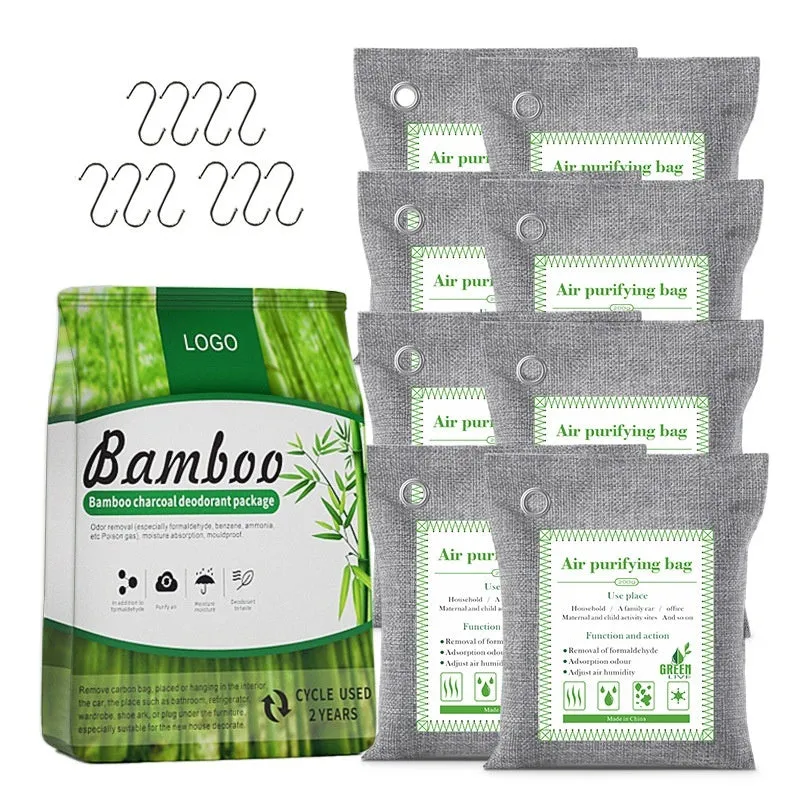
Bamboo charcoal bags for formaldehyde removal, activated carbon air purifying bags, 100g 200g 500g sewing style charcoal pouches for new house household odour control and fresh air


Bamboo charcoal bags for formaldehyde removal, activated carbon air purifying bags, 100g 200g 500g sewing style charcoal pouches for new house household odour control and fresh air
Bamboo charcoal air purifying bags for formaldehyde removal and household odour control
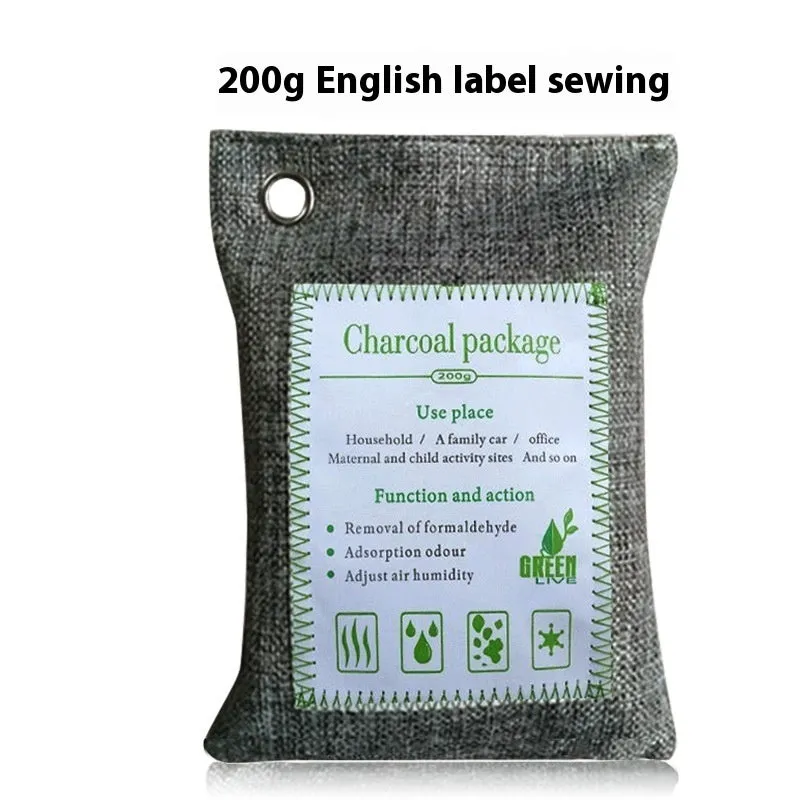
Managing indoor air quality in newly decorated homes or spaces with persistent odours presents a common household challenge. These bamboo charcoal bags offer a passive, maintenance-light approach using charcoal's natural adsorption properties. Unlike electrical air purifiers, they operate without power consumption or filter replacements, providing continuous air quality support in wardrobes, cupboards, car interiors, or room corners. Available in three weight configurations – 100g, 200g, and 500g sewing style pouches – they allow users to match capacity to space size and odour intensity. The product serves households seeking practical, non-mechanical solutions for reducing formaldehyde presence and general airborne odours.
Features and Construction
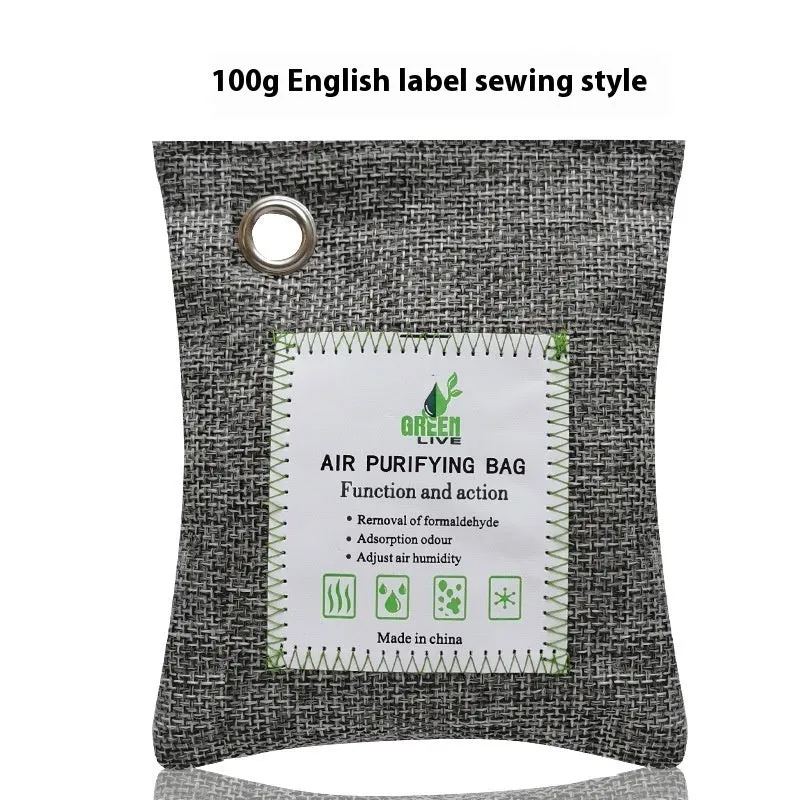
The product's functionality centres on bamboo charcoal's ability to adsorb airborne molecules, including formaldehyde and various odour compounds. The sewing style pouch construction keeps charcoal contained while the fabric permits necessary air circulation. This design balances containment with accessibility to the charcoal's surface area.
Material and Build
The primary functional material is bamboo charcoal, a form of activated carbon known for its porous structure that traps airborne particles and gases. The charcoal is contained within a textile pouch described as "sewing style," suggesting a sewn fabric enclosure rather than a disposable plastic container. This construction allows the bags to be placed discretely in various settings without industrial appearance. The source text doesn't specify charcoal activation level, particle size, or pouch fabric composition, so performance claims remain grounded in general charcoal adsorption principles.
Size and Practical Fit
Three distinct weight options address different coverage needs: 100g bags suit smaller confined spaces like car interiors or single wardrobes; 200g bags work for medium areas such as under-sink cabinets or small rooms; 500g bags provide greater capacity for larger rooms or stronger odour sources. The sewing style pouch presumably scales physically with charcoal weight, though exact pouch dimensions aren't provided. Purchasers can select single bags for targeted placement or five-piece packs for broader distribution throughout a property.
Uses and Placement
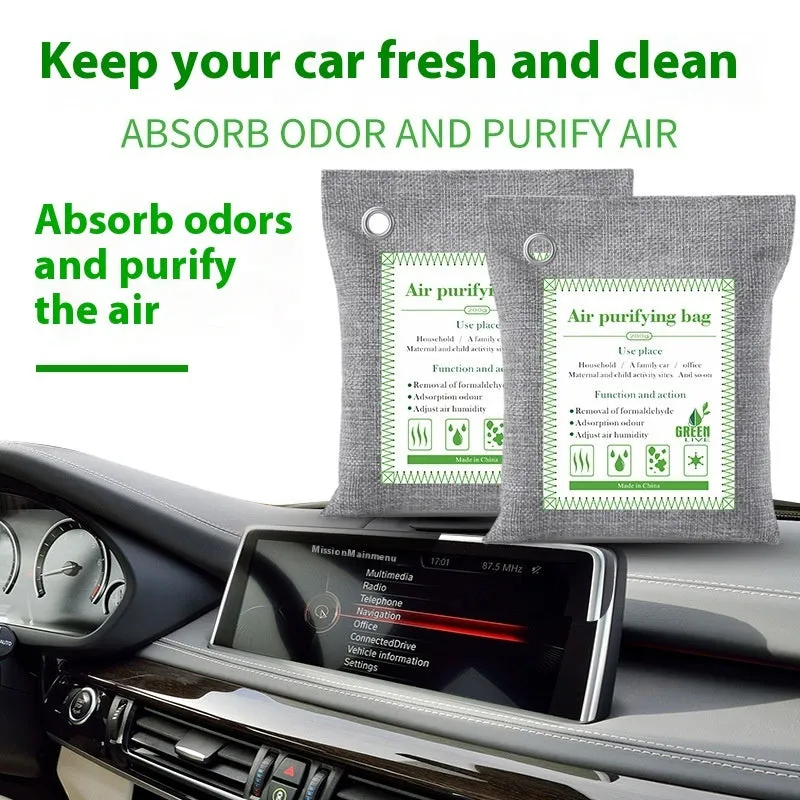
These charcoal bags serve both specific post-decoration scenarios and ongoing household odour management. Their passive operation makes them suitable for locations where electrical outlets are unavailable or where continuous subtle odour control is preferred over intermittent mechanical purification.
Event or Professional Use
Following property refurbishment, renovation, or new furniture installation, these bags can help address formaldehyde off-gassing and construction-related odours. Property managers, landlords, or hospitality venues might use them temporarily in newly decorated rooms between guest stays. The five-pack option facilitates treating multiple rooms simultaneously without individual unit management. Since the source doesn't specify coverage areas per weight, users should consider room size and odour severity when selecting quantities.
Everyday Home Use
For regular household air quality maintenance, the bags offer placement flexibility in problem odour areas: inside shoe cupboards, litter tray areas, kitchen bins, or musty wardrobes. Their non-electrical nature makes them safe for damp environments like bathrooms (though not in direct water contact) or confined spaces like car footwells. The charcoal's adsorption capacity naturally diminishes over time, but sunlight exposure can help release moisture and partially refresh performance, extending useful life without consumable replacements.
Benefits and Buying Value

The product's value proposition lies in its simplicity, lack of ongoing costs, and flexibility across different household scenarios. Compared to electrical alternatives, it offers silent operation and zero energy consumption while addressing similar air quality concerns.
Reuse and Low Maintenance
Unlike filter-based systems requiring periodic cartridge replacement, these charcoal bags can be refreshed through sunlight exposure, potentially extending service life. This reduces long-term expenditure and environmental impact from disposable components. The sewing style pouch is presumably durable enough for repeated handling during refresh cycles, though the source doesn't specify pouch material longevity. Their passive operation requires no user monitoring beyond initial placement and occasional sunning.
Why Choose This Product
Households select these bags for their targeted approach to specific odour problems without whole-room purification overhead. The three weight options allow precise matching to problem scale, avoiding over-purchase for small spaces or under-treatment of large areas. The availability of single or five-pack choices provides further configuration flexibility. While the source doesn't provide performance data or coverage metrics, the product fits scenarios where subtle, continuous odour reduction is preferred over abrupt mechanical filtration.