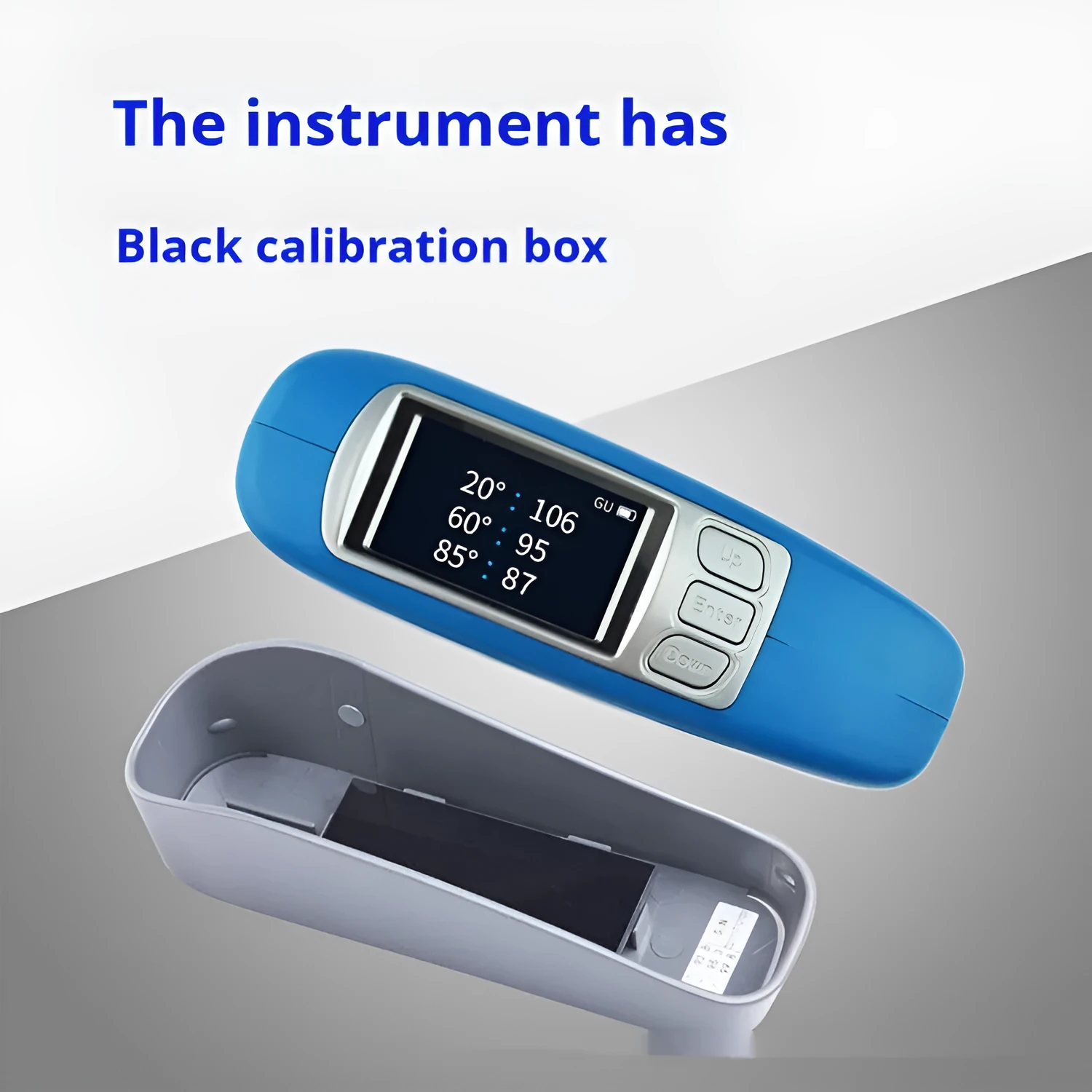
Ceramic brightness stone portable glossiness tester, single angle 60° gloss meter with 23mm microporous aperture and triple angle 20°/60°/85° models, handheld surface gloss measurement device for paints, coatings, and ceramic finishes.


Ceramic brightness stone portable glossiness tester, single angle 60° gloss meter with 23mm microporous aperture and triple angle 20°/60°/85° models, handheld surface gloss measurement device for paints, coatings, and ceramic finishes.
Ceramic brightness stone portable glossiness tester with single and triple angle measurement options
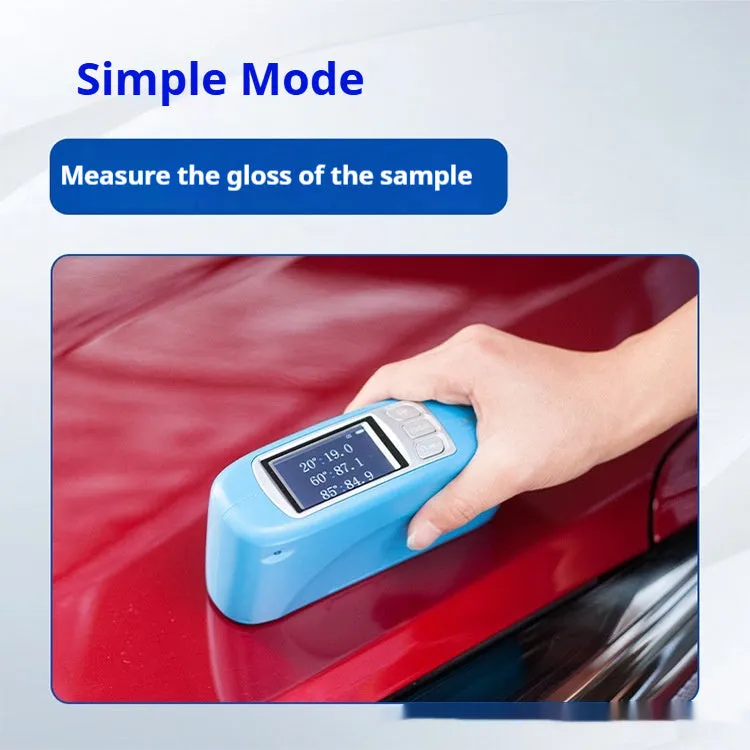
This portable glossiness tester provides professionals in paint, coating, and ceramic industries with a practical solution for surface finish assessment. Unlike bulky laboratory equipment, this handheld device enables on-the-spot measurements directly at production sites or quality control checkpoints. Available in three distinct configurations, it caters to different precision requirements while maintaining portability and ease of use. The ability to measure gloss without transporting samples to a laboratory saves considerable time in manufacturing and quality assurance processes.
Features and Construction

The glossiness tester range offers specific measurement configurations designed for different applications and precision requirements. Each model is engineered for handheld operation while maintaining measurement accuracy appropriate for industrial quality control standards.
Material and Build
The source text does not specify construction materials, but as electronic measurement equipment, the device is designed for handheld operation. The portable nature suggests durable casing appropriate for workshop and production floor environments. The inclusion of different aperture sizes indicates attention to measurement precision through hardware design.
Size and Practical Fit
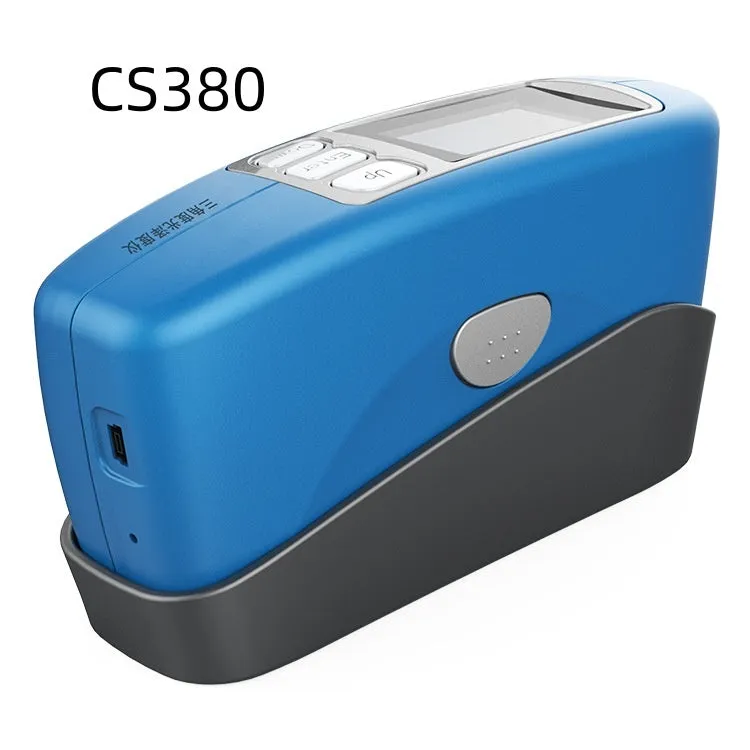
While exact dimensions are not provided, the portable designation confirms handheld operation capability. The 23mm microporous aperture on the CS-300S model represents a specific measurement feature for particular applications. The triple-angle CS-380 model offers comprehensive measurement capability within a single portable unit, eliminating the need for multiple devices.
Uses and Placement

The glossiness tester serves multiple industrial applications where surface finish quality directly impacts product acceptance and consistency. Its portability makes it suitable for diverse environments from manufacturing floors to quality control laboratories.
Event or Professional Use
In professional settings, this device enables rapid quality checks during production runs of painted surfaces, coated materials, and ceramic products. The triple-angle CS-380 model is particularly valuable for comprehensive surface analysis in industries where gloss perception varies with viewing angle. Quality control technicians can verify batch consistency without interrupting production flow.
Everyday Home Use
While primarily designed for industrial applications, the portable nature makes it suitable for smaller workshops, artisan studios, and educational settings. Paint contractors, furniture finishers, and ceramic artists can use it to ensure finish consistency across projects. The straightforward single-angle models offer simplicity for routine checks in smaller operations.
Benefits and Buying Value

The value proposition centers on bringing laboratory-grade measurement capability to where it's needed most, reducing time between measurement and corrective action in production environments.
Reuse and Low Maintenance
As electronic measurement equipment, the device is designed for repeated use across multiple projects and production cycles. The availability of different models allows selection based on specific measurement frequency and precision requirements. Proper handling according to electronic equipment guidelines should maintain measurement accuracy over extended periods.
Why Choose This Product
The choice between CS-300, CS-300S, and CS-380 models provides flexibility for different measurement needs. The single-angle options offer simplicity and cost-effectiveness for routine gloss checks, while the triple-angle model delivers comprehensive analysis capability. The 23mm microporous aperture on the CS-300S addresses specific measurement scenarios where standard apertures may not provide optimal results.